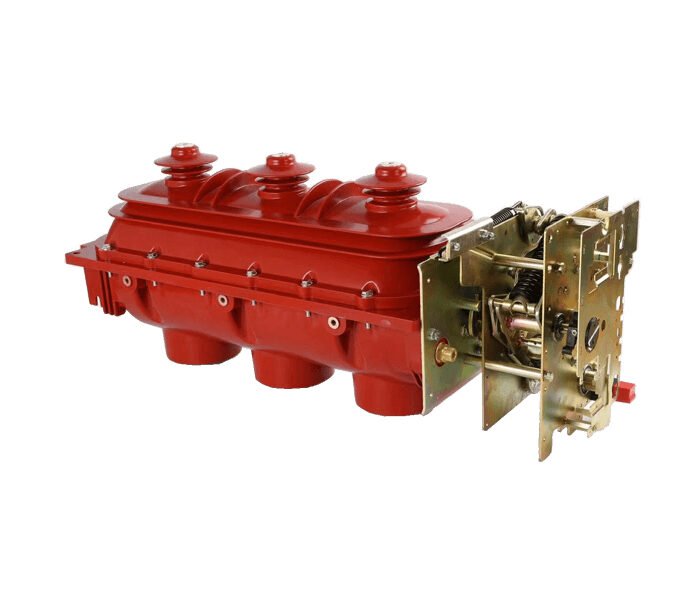
What Is a Medium Voltage Fuse
A medium voltage fuse is a protective device that breaks a circuit when current rises above a safe level. It protects transformers, cables, motors and switchgear from short circuits and overloads. Also called an MV HRC fuse or current-limiting fuse, it operates very fast and limits the fault energy released into the system.
Medium voltage fuses are widely used in ring main units, switchgear panels, transformer feeders and capacitor banks. They offer a simple, reliable and low-cost way to protect MV circuits without complex trip units or auxiliary supplies.
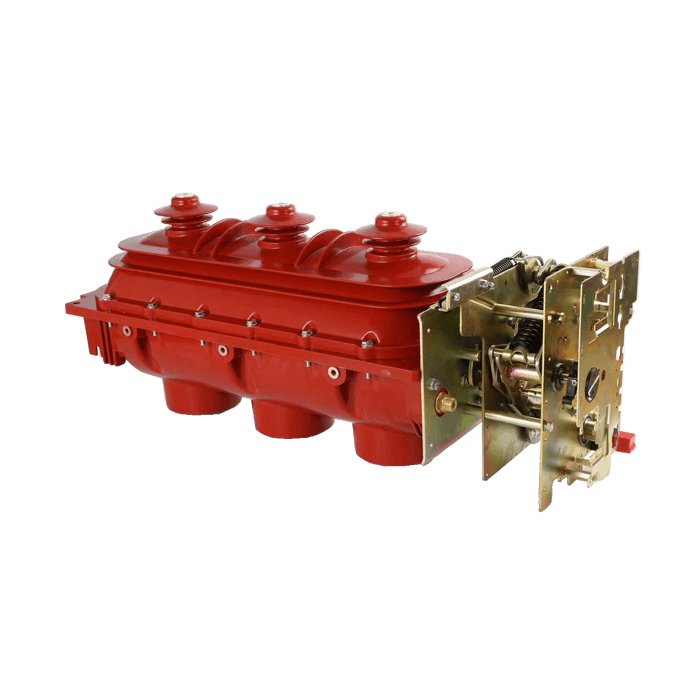
How Current-Limiting Fuses Work
A current-limiting fuse uses a silver or copper element surrounded by silica sand inside a ceramic body. When fault current flows, the element melts and vaporises quickly. The silica sand quenches the arc and absorbs the energy, so the current is interrupted well before the first natural zero of the AC wave.
This is why it is called current-limiting. The fuse cuts the fault current to a fraction of the prospective value and limits the let-through energy. That protects cables and switchgear from thermal and mechanical stress during a fault.
Key Components and Types
Every MV fuse shares a basic construction:
- Fuse element, a silver or copper strip that melts on overload.
- Silica sand filler that quenches the arc and cools the element.
- Ceramic or epoxy body that contains the element and sand.
- Terminals, usually bolt-on or spout type, that connect to the holder.
- Striker pin that operates a trip indicator or a companion switch.
Common types are the back-up fuse, the general-purpose fuse and the full-range fuse. Back-up fuses only clear high faults and need a switch or relay for low overloads. Full-range fuses clear both overloads and short circuits. For a wider view of switching and isolation, read our load break switch complete guide that explains fuse-switch combinations in ring main units.
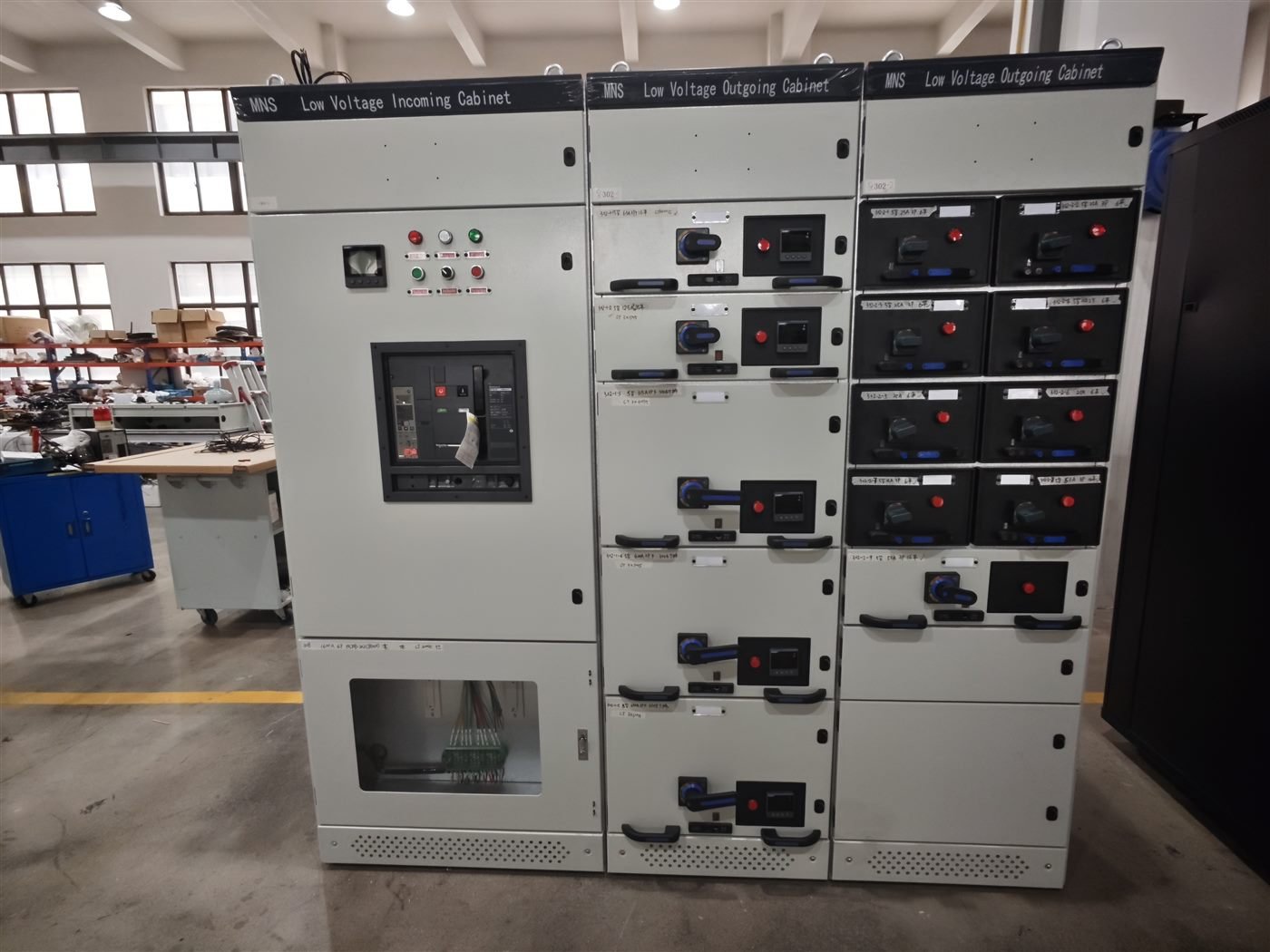
Medium Voltage Fuse Ratings
| Rating | Typical Value | Purpose |
|---|---|---|
| Rated voltage | 3.6 kV to 40.5 kV | Must match system voltage |
| Rated current | 2 A to 200 A | Carries normal load |
| Breaking capacity | Up to 63 kA | Clears maximum fault |
| Cut-off current | Below prospective | Limits let-through energy |
| Time-current curve | Back-up or full-range | Coordinates with upstream and downstream |
| Minimum melting time | IEC 60282-1 | Defines overload performance |
Check how fuses coordinate with other components in our medium voltage switchgear components guide.
Where Medium Voltage Fuses Are Used
MV fuses protect many different parts of a distribution system:
- Transformer protection on the HV side of distribution transformers.
- Capacitor bank protection for individual capacitor units and banks.
- Ring main unit feeders in fuse-switch combinations.
- Motor circuits where short-circuit protection is needed.
- Cable feeders to protect cables from thermal damage.
- Voltage transformers on the primary side.
8 Selection Tips for a Medium Voltage Fuse
Tip 1: Match the rated voltage. Choose a fuse rated for the system voltage, not just the operating voltage. A 12 kV fuse is not suitable for a 24 kV system.
Tip 2: Size the rated current for peak load. Select continuous current for the maximum load plus a margin, usually 100 to 125 percent of normal load.
Tip 3: Verify breaking capacity. The fuse must clear the maximum prospective fault current at the point of installation.
Tip 4: Check the cut-off current. Make sure the let-through current stays below the withstand of cables and connected equipment.
Tip 5: Coordinate with upstream and downstream. The time-current curve must clear faster than upstream protection but slower than downstream equipment to avoid nuisance tripping.
Tip 6: Confirm the striker function. If the fuse must trip a switch or an indicator, confirm the striker is present and compatible.
Tip 7: Consider temperature derating. High ambient temperature reduces fuse life and current capacity, so apply the correct derating factor.
Tip 8: Use the correct body style. Match the fuse body and terminals to the holder in your switchgear or ring main unit.
Review the isolation side too. See our disconnector switch guide to understand how disconnectors and earthing work with fused circuits.
Installation and Maintenance
Installation is simple but must follow the maker’s instructions:
- De-energise and verify the circuit is isolated before touching the fuse holder.
- Confirm the fuse type and rating against the nameplate.
- Seat the fuse firmly in the holder and check the striker and indicator.
- After a fuse operation, identify and fix the cause before replacing.
- Store spare fuses in a dry place and check expiry dates on polymer fuses.
Pair the fuse with proper protection of voltage transformers and surge paths. Read our instrument transformer guide and our surge arrester selection guide for related protection choices.
Frequently Asked Questions
What is a medium voltage fuse?
A medium voltage fuse is a protective device that interrupts a circuit when current exceeds a safe level, protecting transformers, cables, motors and switchgear from faults.
Why are MV fuses called current-limiting?
They interrupt fault current before the first natural zero of the AC wave, limiting the let-through current and the energy released into the circuit.
Where is a medium voltage fuse used?
It is used in ring main units, switchgear panels, transformer feeders, capacitor banks, motor circuits and cable feeders across MV distribution networks.
What is the difference between back-up and full-range fuses?
A back-up fuse only clears high fault currents and needs a switch or relay for overloads, while a full-range fuse clears both overloads and short circuits.
How do I select the right rated current?
Choose a rated current for the peak load plus a margin, usually 100 to 125 percent of normal load, and apply temperature derating for hot environments.
Can a fuse protect a transformer?
Yes, MV fuses are commonly used on the HV side of distribution transformers and must coordinate with the transformer inrush and the upstream protection.
About Electric-GS
Electric-GS is an OEM and ODM manufacturer based in Yueqing, China, specialising in medium voltage switchgear, ring main units, SF6 GIS, vacuum circuit breakers and fuse-switch combinations. We build MV switchgear with matched medium voltage fuses for projects worldwide and support custom designs, factory testing and after-sales service. Contact us at info@electric-gs.com or WhatsApp +86 135 8897 8050. For our product range, visit the Electric-GS global site or the Electric-GS China site.