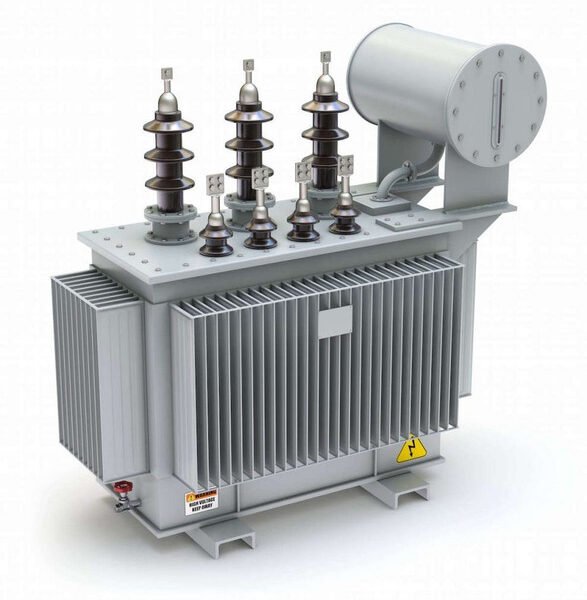
A transformer is often the most valuable asset in a substation. A fault inside it can cause long outages, expensive repairs and serious safety risks. That is why reliable transformer protection is essential. This guide explains the main protection schemes, the relays behind them, and how to select the right protection for a distribution transformer.
The table below shows the main protection functions and what they cover.
| Protection | What it protects | Typical speed |
|---|---|---|
| Differential (87T) | Winding short circuits | Very fast |
| Overcurrent (50/51) | Phase faults and overload | 0.1-1 s |
| Earth fault (50N/51N) | Winding-to-frame faults | 0.1-1 s |
| Gas Buchholz (63) | Tank and oil faults | Fast |
| Temperature (49/26) | Overload, cooling loss | Slow, time-delayed |
| Pressure relief | Sudden tank overpressure | Fast |
Why Transformer Protection Matters
An unprotected transformer can burn for hours. A fast protection scheme detects the fault and trips the circuit breaker within milliseconds. This limits the damage, cuts the repair cost and keeps people safe.
Transformers also cost a lot to replace and can take weeks to reinstall. Good protection reduces downtime and protects your whole network. It also helps meet utility and insurance requirements. A well-designed scheme also gives alarms before a trip, so operators can act early and often avoid the outage entirely.
Main Transformer Faults and How to Detect Them
You protect against the faults that are most common and most damaging.
- Winding short circuits between phases or turns.
- Phase-to-ground faults inside the winding or bushing.
- Core faults that create circulating currents and local heat.
- Overload that raises winding and oil temperature.
- Cooling loss when fans or pumps stop.
- Internal gas and pressure build-up in the tank.
Each fault needs a specific relay. The scheme you choose depends on the transformer size, the voltage and the role of the unit in the network. For the physical parts that carry the protection, see the power transformer components guide. Larger units need more functions, while small pole mounted units may run on a fuse and a simple overcurrent relay.
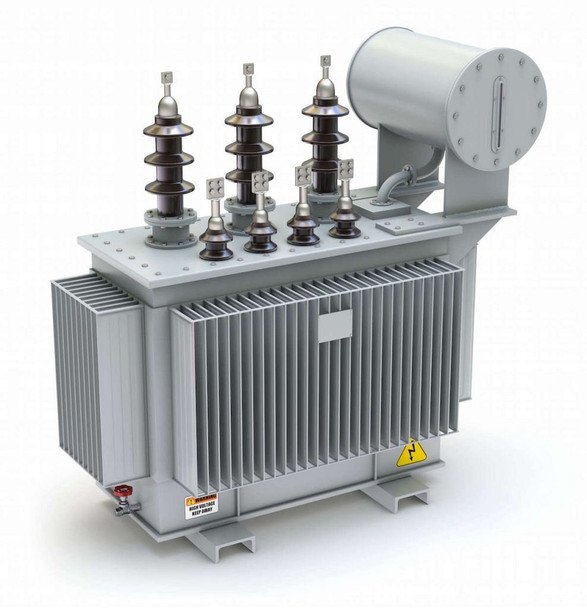
Differential Protection (87T)
Differential protection compares the current entering the transformer with the current leaving it. In a healthy unit the two are equal, after the turns ratio is applied. If a winding fault occurs, the currents differ and the relay trips.
It uses percentage bias to avoid tripping on load current or inrush. Differential protection is the first choice for transformers above a certain rating, because it clears winding faults very quickly and protects most of the winding area. It is also the fastest way to detect turn-to-turn faults that other relays cannot see easily.
Overcurrent and Earth Fault Protection
Overcurrent relays (50/51) protect against phase faults and sustained overload. They are simple, widely used and easy to coordinate with downstream devices.
Earth fault relays (50N/51N) detect phase-to-ground faults by measuring the residual current. This is important on grounded systems, where a small ground fault may not trip the phase overcurrent relay. These relays are a practical option for smaller and medium distribution transformers. Set the pickup above the transformer rating and the time curve below the upstream breaker so faults clear in the correct order.
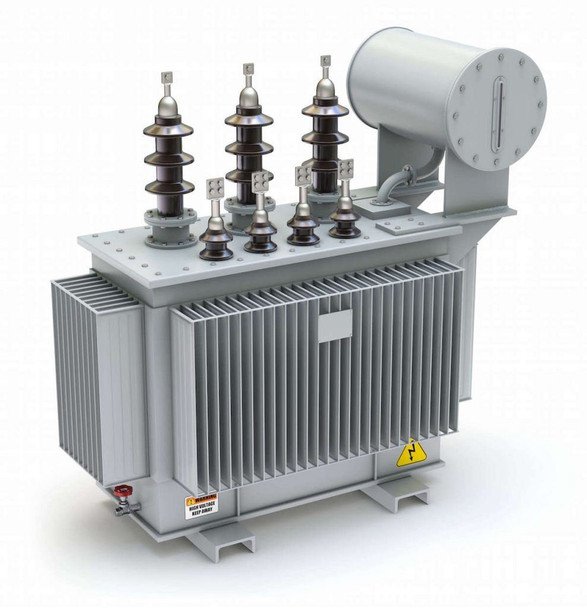
Gas (Buchholz) and Temperature Protection
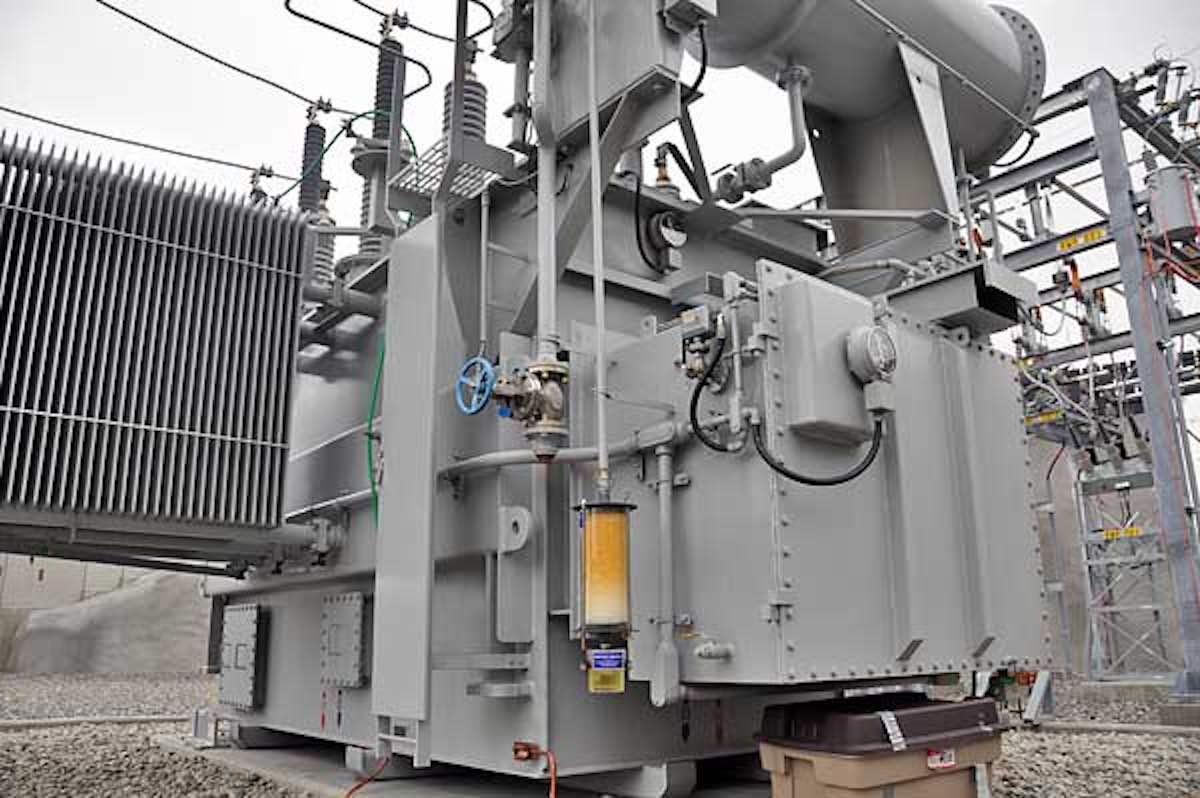
The Buchholz relay sits in the pipe between the tank and the conservator on oil immersed transformers. It detects gas produced by internal faults and low oil level. Slow gas accumulation warns of an incipient fault; sudden gas or oil surge trips the breaker.
Temperature protection uses winding and oil temperature devices. It prevents damage from overload and cooling loss. A pressure relief device protects the tank from sudden overpressure. Together these devices give full coverage on oil immersed units. Choose the transformer type first; see the oil immersed transformer guide for the cooling and design details. On dry type units, replace the oil and gas devices with temperature and overcurrent functions.
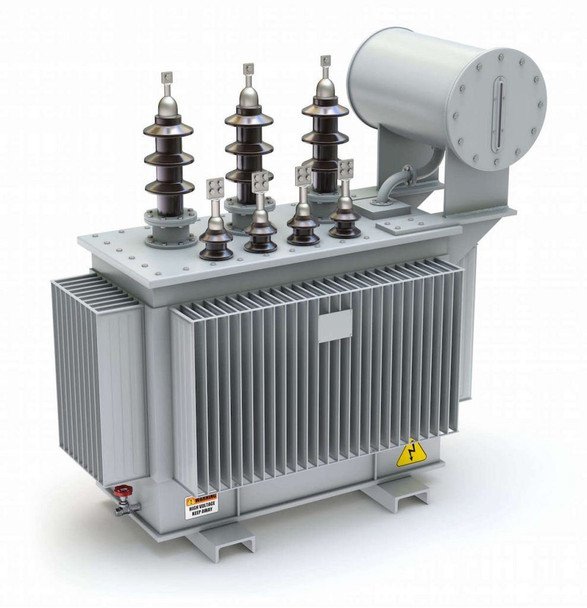
How to Choose Protection for a Distribution Transformer
Follow a simple selection process.
- Define the transformer rating, voltage and connection group.
- Check whether the unit is oil immersed or dry type.
- Select the CTs and VTs that feed the relays; see the instrument transformer guide.
- Choose overcurrent and earth fault as the base protection.
- Add differential protection for larger or critical units.
- Add Buchholz and temperature protection for oil immersed transformers.
For coordination with the network, read the medium voltage protection relay guide. Keep the settings simple, document them clearly and test the scheme before commissioning. Remember that a protection scheme is only useful if it is tested and maintained, so budget for periodic checks.
Frequently Asked Questions
What protection does a small distribution transformer need?
Most small units use overcurrent and earth fault protection, with temperature protection for overload and a fuse or breaker on the primary side.
What is differential protection (87T)?
It compares the current entering and leaving the transformer and trips when the difference is too large, which clears winding faults very quickly.
Does the Buchholz relay work on dry type transformers?
No. The Buchholz relay only works on oil immersed transformers, because it detects gas in the oil. Dry type units use temperature and overcurrent protection instead.
Why does a large transformer need differential protection?
A large transformer has high repair and replacement cost, and overcurrent relays may be slow for winding faults. Differential protection clears internal faults in milliseconds.
Can I use only fuses for transformer protection?
Fuses protect against some faults, but they offer limited coordination and no sensitive earth fault detection. Relays give better control, settings and alarm functions.
How often should I test transformer protection?
Test the relays and the complete scheme during commissioning, then on a planned maintenance cycle, usually every one to three years depending on the site.
About Electric-GS
Electric-GS is a professional electrical equipment manufacturer based in Yueqing, China. We offer OEM and ODM services for transformers, medium voltage switchgear, ring main units, vacuum circuit breakers and protection relays, with full testing and global export experience. Contact us at info@electric-gs.com or WhatsApp +86 135 8897 8050 for a fast quotation. Visit electricgs.com or the Chinese portal at electric-cn.com.