
A dc contactor is an electromechanical switch that controls a DC load. It opens and closes the DC circuit with a coil and moving contacts. DC arcs are harder to break than AC arcs, so a DC contactor needs special arc-chamber design. This guide covers the 7 key ratings for DC contactor selection and the wiring tips you need for reliable motor control.
Choose the wrong DC contactor and the contacts weld or the coil burns. The key ratings below help you match the contactor to the load and the control circuit.
What Is a DC Contactor?
A DC contactor connects and disconnects a DC load such as a motor, heater, or battery bank. A coil energizes to pull in the contacts, and a spring returns them when the coil drops out.
The DC arc is continuous and needs a strong blow-out. Most DC contactors use arc chambers and sometimes magnetic blow-outs to stretch and cool the arc. In a medium voltage switchgear selection, the same arc-control principle protects the contacts.
Why DC Contactors Differ From AC Contactors
DC and AC contactors look similar but work differently. AC current crosses zero 50 or 60 times per second, which helps extinguish the arc. DC current never crosses zero, so the arc burns longer.
- Arc suppression. DC needs arc chambers and magnetic blow-out.
- Contact material. DC contacts use alloys that resist welding.
- Coil type. A DC coil holds its current and stays cool after pull-in.
- Switching speed. DC contactors are made for fast, clean breaks.
Match the contactor to the DC load and the control voltage. A contactor rated for AC only will overheat or weld on DC.
7 Key Ratings for DC Contactor Selection
Check these seven values on the data sheet before you buy.
- Rated operational current (Ie). The current the contactor carries continuously.
- Rated operational voltage (Ue). The DC voltage the contactor can break.
- Coil voltage. The control voltage, for example 24 VDC or 110 VDC.
- Make and break capacity. The current the contacts can switch at load.
- Utilization category. DC-1 to DC-5 define resistive and motor loads.
- Mechanical and electrical life. The expected number of operations.
- Contact rating and arc chamber size. The current the arc chamber can handle.

Read the motor data and the supply voltage before selection. The medium voltage busbar selection gives the current path that feeds the DC circuit.
Also confirm the expected number of operations per day. A contactor that cycles hundreds of times needs a high electrical life rating. Compare the contactor life against the machine duty cycle before you commit to a model.
Consider the ambient temperature too. A hot panel derates the contactor current. Check the derating curve in the data sheet and leave headroom for the working temperature in your site.
Check the mounting method as well. DIN-rail models are quick to fit, while panel-mount models suit high current. Order spare coils and contact kits with the first batch so a single part can be replaced without downtime.
Keep a clear label on each contactor showing the coil voltage and the rated current. A mislabeled contactor gets replaced with the wrong part and fails again. The same discipline applies in a switchgear cabinet where many contactors sit close together.
For battery or UPS circuits, add reverse-polarity protection and fusing at the source. A DC contactor does not protect the circuit by itself. The upstream fuse or breaker clears a fault, and the contactor only breaks the healthy circuit or the current it can handle.
DC Contactor Utilization Categories
| Category | Load type | Typical use |
|---|---|---|
| DC-1 | Resistive | Heaters, lamps |
| DC-3 | Shunt motor | DC motor starting |
| DC-5 | Series motor | High inrush loads |
| DC-6 | Lamp | Incandescent lamps |
Use the right category for the load. The medium voltage switchgear components article explains the contact and insulation choices in detail.
Wiring and Coil Control
Wire the coil through the control circuit. Use the contactor auxiliary contacts for interlocks and feedback. Connect a suppression diode across the DC coil to protect the control logic from the coil kick-back.
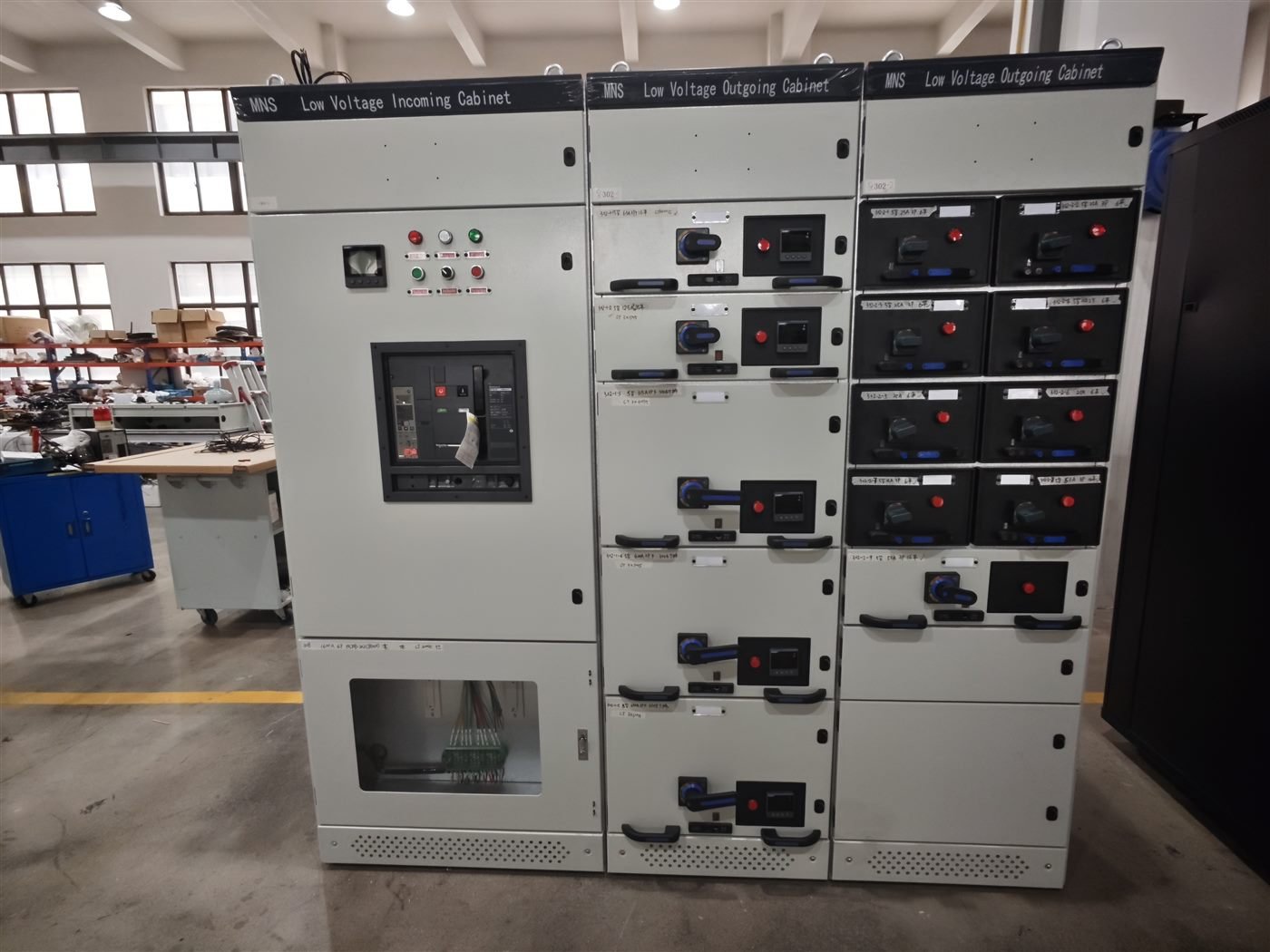
Keep the power leads short and the control circuit separate. Check the coil voltage matches the control supply. A DC contactor in a neutral grounding resistor system must break the circuit cleanly without overvoltage.
Testing and Troubleshooting
Test the contactor for pick-up voltage, drop-out voltage, and contact resistance. Measure the coil resistance and check the contacts for welding or pitting.
- Coil does not pull in. Check the control voltage and the coil.
- Contacts weld. Reduce the switching current or use a bigger contactor.
- Excessive noise. Check for DC ripple or a loose mounting.
Record the test values in the panel log. A DC motor protection system coordinates the contactor with the overload relay for safe operation.
For large DC drives, add a soft starter or a DC chopper to limit the inrush current. The contactor then switches the steady current instead of the full starting surge, which extends its life and reduces contact wear.
FAQ About DC Contactors
Q1. What is a DC contactor used for?
It switches a DC load such as a motor, heater, or battery circuit on and off.
Q2. Can I use an AC contactor on DC?
No. AC contactors lack the arc suppression needed for DC and can weld or fail.
Q3. How do I choose the coil voltage?
Match the coil voltage to the control supply, for example 24 VDC or 110 VDC.
Q4. What is a DC-3 utilization category?
It defines the contactor duty for a DC shunt motor, including start and stop.
Q5. Why fit a suppression diode across the coil?
It absorbs the coil kick-back voltage and protects the control circuit.
Q6. How often should I test a DC contactor?
Test the contacts and coil at every scheduled maintenance stop.
About Electric-GS
Electric-GS is a Chinese OEM and ODM manufacturer based in Yueqing, Zhejiang. We supply DC contactors, motor protection relays, switchgear, and transformers with full test reports. For pricing and drawings, email info@electric-gs.com or reach us on WhatsApp at +86 135 8897 8050. See our main site at electricgs.com and our domestic catalog at electric-cn.com.
Recent Comments