
A dc motor protection relay, often an EOCR, guards a DC motor against overload, stall, and phase faults. A DC motor draws high starting current and can overheat fast under a locked rotor. A dedicated electronic overload relay senses the current and trips before the winding is damaged. This guide explains the 7 key EOCR settings and the wiring you need for reliable DC motor protection.
EOCR stands for Electronic Overcurrent Relay. It measures the motor current with a CT, compares it with a set value, and trips the contactor after a time delay. Modern EOCR units also detect earth fault and phase loss, and they show the running current on a display.
What Is an EOCR Motor Protection Relay?
An EOCR is a compact relay mounted in a motor control panel. It connects in series with the motor contactor coil or directly with the current transformer. It protects the motor and the driven load from sustained overcurrent.
Unlike a bimetallic overload, an EOCR gives accurate, repeatable protection. It can be set with precise trip values and time delays. In a medium voltage switchgear selection, the same logic protects feeder and motor circuits.
Why DC Motors Need Dedicated Protection
DC motors fail quickly when protection is wrong. A locked rotor draws several times the rated current. The winding heats within seconds and can burn.
- High starting current. DC motors can draw 5 to 8 times the rated current at start.
- Stall risk. A jammed load stalls the rotor and overheats the winding.
- Loss of field. A DC motor runs away if the field circuit opens.
- Earth fault. A damaged winding can leak current to the frame.
An EOCR detects these conditions and trips the contactor fast. The medium voltage switchgear components that feed the motor must coordinate with the relay time curve.
A DC motor protection relay also records the trip cause and the current at the moment of trip. This data helps the maintenance team find the root fault instead of guessing. You can read the trip history on the display or through the serial port on advanced units. This reduces downtime and stops repeated damage to the same motor.
Choose a relay with enough current range for the motor. A relay set too close to the running current trips falsely. A relay set too high lets damage occur before it trips. Match the relay range to the motor current and leave a small margin for measurement error.
7 Key EOCR Settings
Set these seven values to get reliable dc motor protection.
- Rated current (Ir). Set the motor full-load current from the nameplate.
- Overload current setting. Typical range 100% to 150% of Ir.
- Overload trip time. Choose a delay for start and a shorter delay for running.
- Stall current. Set the level that trips a locked rotor quickly.
- Earth fault setting. Set a low value to detect leakage current.
- Phase / loss of field. Enable the phase-loss or field-loss detection for DC motors.
- Reset mode. Choose manual reset so a trip is acknowledged.

Read the motor data sheet before setting values. The medium voltage busbar selection determines the current capacity that feeds the motor circuit.
EOCR vs Traditional Thermal Overload
| Feature | EOCR | Thermal relay |
|---|---|---|
| Accuracy | High, digital | Low, ambient dependent |
| Adjustability | Wide, precise | Limited |
| Earth fault | Built in | No |
| Display | Yes | No |
Use an EOCR when accuracy and fast response matter. Thermal relays suit simple, low-cost AC circuits. For DC motor protection, an EOCR gives the control you need.
Wiring and Installation
Wire the EOCR in series with the contactor coil so a trip opens the circuit. Connect the current transformer to the motor supply phase. Keep the CT leads short and free of noise. The panel earth must be sound, as the substation earthing design requires for safe fault current return.
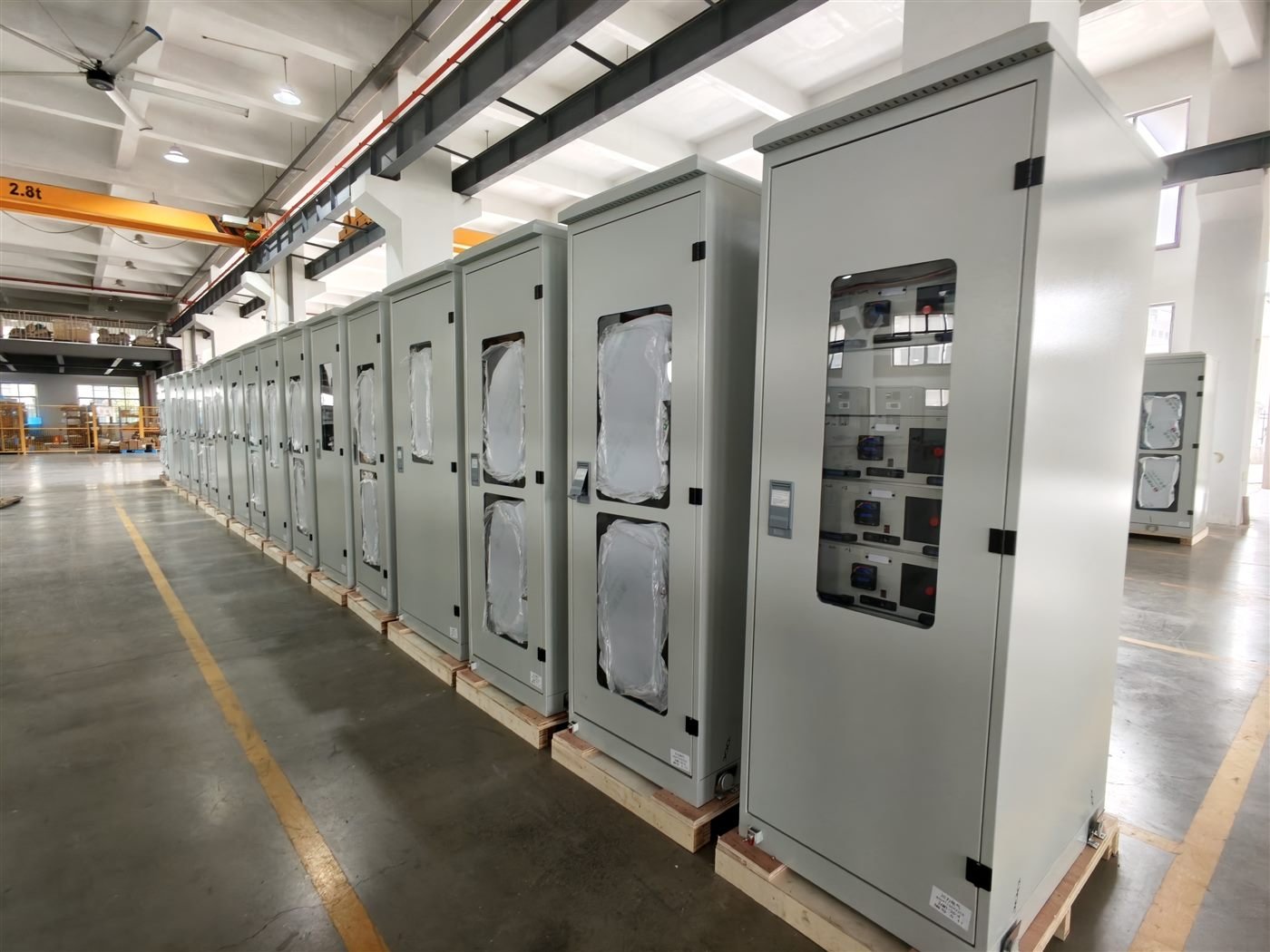
Mount the relay in a clean, ventilated area. Use a separate auxiliary supply if the unit needs one. Label the relay and the motor clearly. Test the trip function after wiring by injecting a small current or pressing the test button.
Testing and Troubleshooting
Test an EOCR for correct trip current, trip time, and reset. Inject a current above the setting and measure the tripping time. Check the relay against the motor data.
- No trip. Check the CT connection and the current setting.
- False trip. Lower the start-time delay or raise the stall level.
- Display shows zero. Check the CT wiring and the phase.
Record the settings and test results for each relay. The medium voltage switchgear testing routine covers relay coordination checks as well.
Keep the relay manual and the wiring diagram in the panel for reference. If you change the motor or the load, reset the relay values and retest. A small current change at the motor can make the old setting unsafe.
For large DC motors, add a soft starter or a variable frequency drive to limit the starting current. The relay then coordinates with the drive and protects the motor during both start and running.
FAQ About DC Motor Protection
Q1. What does EOCR mean?
EOCR stands for Electronic Overcurrent Relay, a digital motor protection relay.
Q2. Why protect a DC motor?
A DC motor can overheat fast under overload, stall, or field loss, so fast protection is essential.
Q3. Can one EOCR protect both AC and DC motors?
Many EOCR models protect both AC and DC motors; check the model datasheet.
Q4. How do I set the overload current?
Set it to the motor full-load current from the nameplate, typically 100% to 150%.
Q5. Why does the relay trip at start?
Raise the start-time delay or the stall level to allow the starting current.
Q6. How often should I test the relay?
Test the trip function during commissioning and at scheduled maintenance.
About Electric-GS
Electric-GS is a Chinese OEM and ODM manufacturer based in Yueqing, Zhejiang. We supply EOCR motor protection relays, contactors, switchgear, and transformers with full test reports. For pricing and drawings, email info@electric-gs.com or reach us on WhatsApp at +86 135 8897 8050. See our main site at electricgs.com and our domestic catalog at electric-cn.com.
Recent Comments